
Discover Charleston Civil War Sites: A Journey Through History

Charleston, South Carolina, is a city steeped in history, especially when it comes to the Civil War. Walking through its streets and landmarks, you can almost hear the echoes of the past. If you have a passion for history or simply want to understand the roots of this pivotal time in American history, exploring Charleston's Civil War sites offers a deeply enriching experience. From forts to museums, each location tells a story of courage, conflict, and change.
Exploring Charleston Civil War Sites: Where History Lives

Charleston was a major battleground during the Civil War, and many of its sites have been preserved to give visitors a glimpse into that era. One of the most iconic places to visit is Fort Sumter, where the first shots of the Civil War were fired in 1861. Standing on the fort’s walls, you can imagine the tension and uncertainty that marked the beginning of the conflict.
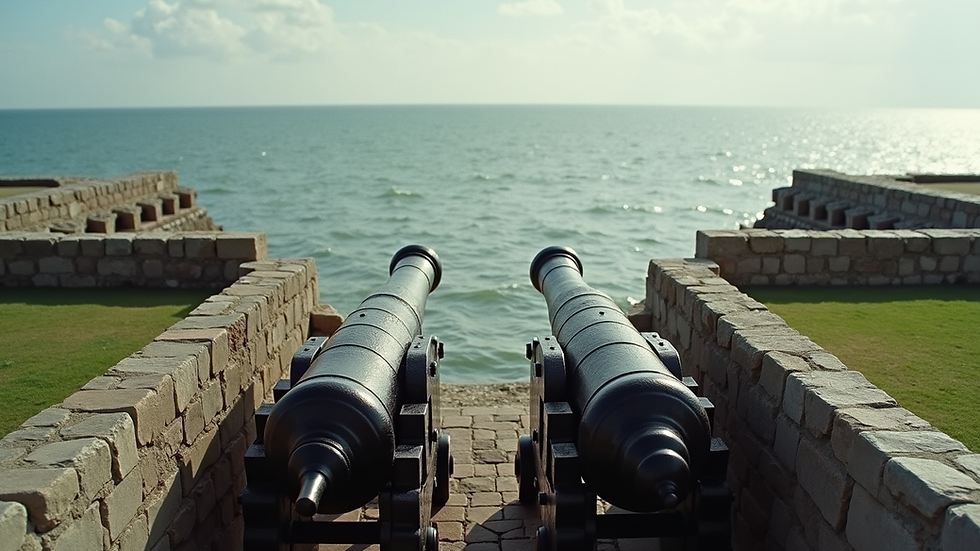
Another significant site is Battery Park, which offers a scenic view of the harbor and the remains of old artillery batteries. Walking along the seawall, you can see where Confederate forces once defended the city against Union attacks. Nearby, the Old Slave Mart Museum provides context on the city's role in the slave trade, an important aspect to understand when studying the Civil War.
For those interested in military history, the Charleston Museum has an extensive collection of artifacts and exhibits related to the war. It’s a great place to start your visit and get a broad overview before heading out to the outdoor sites.
Must-Visit Charleston Civil War Sites for History Enthusiasts
If you want to dive deeper into Charleston’s Civil War history, here are some must-see landmarks:
Fort Moultrie - Located on Sullivan’s Island, this fort played a crucial role in defending Charleston Harbor. It’s less crowded than Fort Sumter but equally rich in history.
Drayton Hall - This plantation house survived the war and offers a look at the antebellum South. The guided tours here provide insights into the lives of both the plantation owners and the enslaved people.
Magnolia Cemetery - A peaceful resting place for many Confederate soldiers, this cemetery is a somber reminder of the war’s human cost.
The Powder Magazine - The oldest public building in South Carolina, it was used to store gunpowder during the war and now serves as a museum.
Each of these sites offers a unique perspective on the war and its impact on Charleston and the South.
Tips for Planning Your Visit to Charleston’s Civil War Landmarks
To make the most of your visit, consider these practical tips:
Book a guided tour: A knowledgeable guide can bring the history to life and answer your questions. For a truly immersive experience, consider a civil war tour charleston sc that focuses on personalized storytelling.
Wear comfortable shoes: Many sites involve walking on uneven terrain or cobblestone streets.
Check opening hours: Some landmarks have seasonal hours or require advance reservations.
Bring water and sun protection: Charleston can be hot and sunny, especially in summer.
Allow enough time: Don’t rush. Spend at least a half-day exploring to absorb the history fully.
By planning ahead, you’ll ensure a smooth and rewarding visit.
Understanding the Civil War’s Impact on Charleston Today
Visiting these sites is not just about looking back; it’s also about understanding how the Civil War shaped Charleston’s identity. The city’s architecture, culture, and even its social fabric bear the marks of this turbulent period.
Many of the preserved landmarks serve as educational tools, helping visitors and locals alike reflect on the complexities of the war, including the issues of slavery, states’ rights, and the struggle for freedom. Walking through Charleston’s historic district, you’ll notice plaques and markers that tell stories of bravery, loss, and resilience.
This connection to the past enriches the city’s present and offers valuable lessons for the future.
Making the Most of Your Charleston Civil War Experience

To truly appreciate Charleston’s Civil War heritage, consider these additional experiences:
Attend a living history event: Some sites host reenactments or special programs that recreate moments from the war.
Visit local museums: The Confederate Museum and The Old Slave Mart Museum provide deeper context.
Explore nearby plantations: Many have preserved slave quarters and offer tours that discuss the lives of enslaved people.
Take a harbor cruise: See the forts and battle sites from the water for a different perspective.
Each activity adds layers to your understanding and makes your visit more memorable.
Charleston’s Civil War landmarks are more than just old buildings and battlefields. They are gateways to stories that shaped a nation. Whether you’re a history buff or a curious traveler, these sites offer a meaningful journey through one of America’s most defining chapters. So lace up your walking shoes, bring your curiosity, and get ready to step back in time.


Comments